Top 10 Benefits of Short Term In Home Care for Seniors
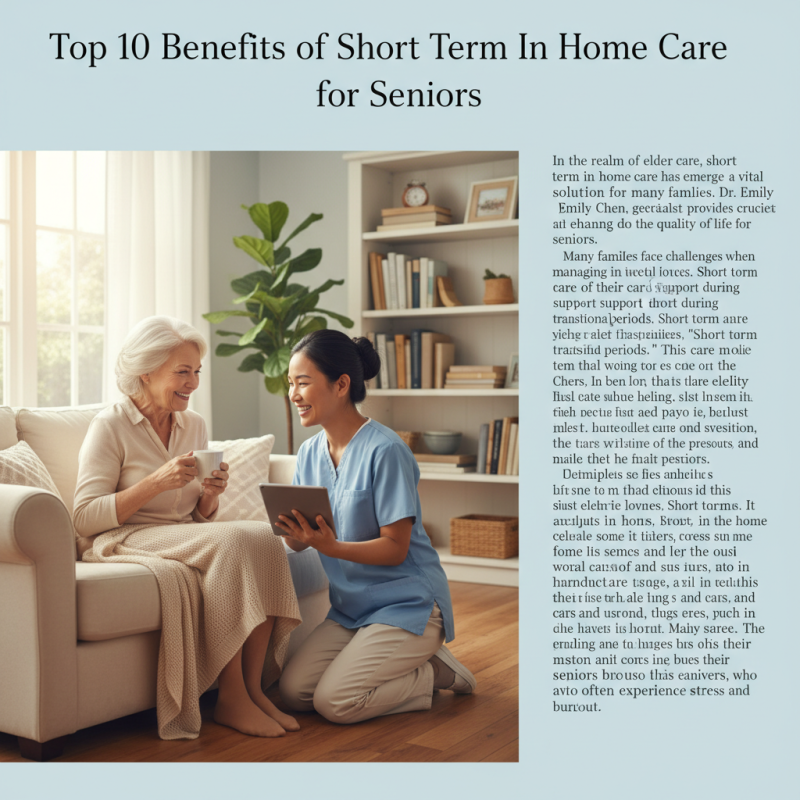
In the realm of elder care, short term in home care has emerged as a vital solution for many families. Dr. Emily Chen, a geriatric care specialist, emphasizes, "Short term in home care provides crucial support during transitional periods." This care model plays a significant role in enhancing the quality of life for seniors. It offers personalized attention, allowing seniors to remain in familiar surroundings while receiving necessary assistance.
Many families face challenges when managing the care of their elderly loved ones. Short term in home care can alleviate some of this pressure. It supports not just the seniors but also their caregivers, who often experience stress and burnout. Home care services can address immediate needs such as recovery from surgery, rehabilitation, or respite care. The comfort and security of home can lead to better outcomes for seniors.
However, it's essential to recognize that not all families may find this option suitable. Some may struggle with finances or feel overwhelmed by the logistics of setting up care. Reflecting on these nuances can help families better understand the implications of short term in home care. It’s not a one-size-fits-all solution but a significant resource worth exploring.
Understanding Short Term In Home Care for Seniors
Short term in home care for seniors provides essential support when needed. This type of care is flexible. It allows seniors to remain in their homes while receiving assistance. Caregivers can help with daily tasks. They can assist with meal preparation, medication reminders, and companionship. This service can be tailored to each individual's needs.
When considering short term in home care, reflect on the specific needs of the senior. What tasks seem overwhelming? Which activities bring them joy? Talk with family members to identify areas where extra support is required. With the right caregiver, routines can be maintained, making the transition smoother.
Tips for choosing the right short term care include checking qualifications. Look for caregivers who have experience in senior care. Ask for references to confirm their reliability. Always trust your instincts when meeting potential caregivers. A good connection can make all the difference in creating a comfortable home environment.
Top 10 Benefits of Short Term In Home Care for Seniors
Enhanced Flexibility and Independence for Seniors
Enhanced flexibility and independence for seniors can significantly improve their quality of life. Short-term in-home care allows seniors to receive support tailored to their individual needs. This type of care promotes freedom, enabling them to maintain routines in familiar surroundings. According to a report by the National Institute on Aging, 85% of seniors prefer to age at home rather than in assisted facilities.
While in-home caregivers provide crucial support, seniors also retain control over daily activities. They can enjoy their favorite hobbies without feeling overwhelmed. A survey shows that 70% of seniors expressed feeling more independent with personalized in-home assistance. Caregivers help with meals, medication management, and transportation, but the seniors ultimately decide how to spend their time.
**Tip:** Encourage seniors to engage in activities they love. This might be gardening, reading, or even light exercise.
Some challenges exist, though. Not all seniors adapt easily to new caregivers. Trust and comfort are essential, which sometimes takes time to develop. Communication about preferences can be crucial for a smooth transition.
**Tip:** Regular check-ins can help assess if the care meets their needs. Open dialogue fosters better relationships.
Personalized Care Plans Tailored to Individual Needs
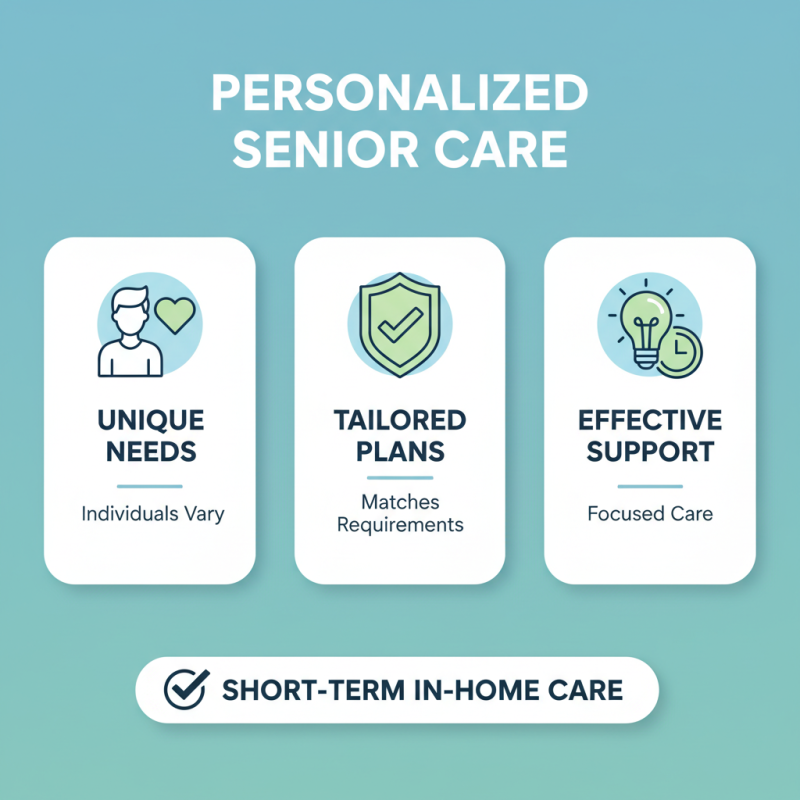
Personalized care plans are essential for seniors receiving short-term in-home care. Every individual has unique needs. These plans cater to specific requirements, making care more effective. For instance, one senior may need assistance with daily activities, while another may require companionship or medication reminders. Tailored plans ensure that caregivers focus on what truly matters to each person.
Adapting care plans requires regular assessment. It’s important for families to engage in this process. They should communicate openly about their loved ones' changing needs. Sometimes, caregivers might feel overwhelmed by the subtleties of these shifts. It’s a learning process that needs patience and understanding. Establishing clear communication channels can bridge gaps and ensure everyone is aligned.
Some families may struggle with personalizing care. They might overlook specific preferences, like favorite activities or routines. This can lead to dissatisfaction for both seniors and caregivers. It’s crucial to gather input from seniors themselves. Listening to their voices fosters a sense of autonomy. Ultimately, an effective care plan should be a collaborative effort that honors individual choices.
Improved Health Outcomes and Quality of Life
In-home care can significantly enhance health outcomes for seniors. Personalized assistance allows seniors to receive tailored help at their own pace. Caregivers can manage medication schedules and monitor vital signs. This close, supportive environment fosters better recovery from illnesses and reduces hospital readmissions.
Quality of life improves greatly through short-term in-home care. Seniors enjoy companionship and emotional support, combatting feelings of loneliness and isolation. Engaging in familiar surroundings encourages social interactions. However, some may struggle with the transition. Accepting help can be tough for those who have been independent.
Additionally, in-home care encourages a healthier lifestyle. Caregivers can assist with meal preparation. They ensure nutritious diets that cater to individual health needs. Regular exercise routines can be established, promoting physical activity. But, not all families may communicate openly about needs. It's vital to address concerns and preferences for the best outcome.
Emotional Support and Companionship for Aging Adults
As seniors age, loneliness can become a critical issue. Emotional support and companionship are vital for their well-being. Research shows that over 40% of older adults experience feelings of loneliness. This can lead to depression and a decline in physical health.
Short-term in-home care provides much-needed companionship. Caregivers offer conversation, play games, and share hobbies. These interactions can uplift spirits and improve mental health. A study by the National Institute on Aging found that social engagement can reduce cognitive decline by up to 70%. Short visits can make a big difference in day-to-day life.
Many seniors may hesitate to accept help. They might fear losing independence. However, in-home caregivers can empower them. They support daily activities while providing emotional sustenance. This balance helps seniors feel valued and connected. The importance of a friendly face cannot be underestimated. It's the small gestures, like a shared laugh, that truly matter.
Top 10 Benefits of Short Term In Home Care for Seniors - Emotional Support and Companionship for Aging Adults
| Benefit |
Description |
| Emotional Support |
Provides companionship and helps reduce feelings of loneliness. |
| Personalized Care |
Services tailored to individual needs, promoting comfort and dignity. |
| Safety Monitoring |
Ensures senior safety at home, lowering risks of accidents. |
| Social Engagement |
Encourages participation in activities, enhancing mental well-being. |
| Respite for Family Caregivers |
Gives primary caregivers a much-needed break to reduce stress. |
| Meal Preparation |
Helps maintain a nutritious diet by preparing healthy meals. |
| Medication Management |
Supports adherence to medication schedules, ensuring health compliance. |
| Transportation Assistance |
Facilitates mobility, allowing seniors to attend appointments and social events. |
| Light Housekeeping |
Keeps living spaces clean and organized, promoting a safe environment. |
| Enhanced Quality of Life |
Supports overall well-being through tailored services and companionship. |