Home to Home Care Benefits for Seniors and Families How Does It Work?
Home to home care is increasingly recognized for its benefits to seniors and families. A recent study found that over 70% of seniors prefer to age in place. This desire for independence can be supported through effective home to home care services. These services offer personalized assistance, promoting both safety and comfort.
Data indicates that nearly 80% of families report feeling overwhelmed by caregiving responsibilities. This is where home to home care services come into play. They not only alleviate caregiver stress but also enhance the quality of life for seniors. For many, this model creates a sense of belonging in familiar surroundings.
However, challenges remain. Accessibility and cost are often significant barriers. Some families face difficulties in finding the right care services that meet their needs. Yet, exploring options and understanding these hurdles can lead to better outcomes. Home to home care offers a solution, but recognizing its limitations is essential for families to make informed decisions.

Home to Home Care: An Overview of Services Offered to Seniors
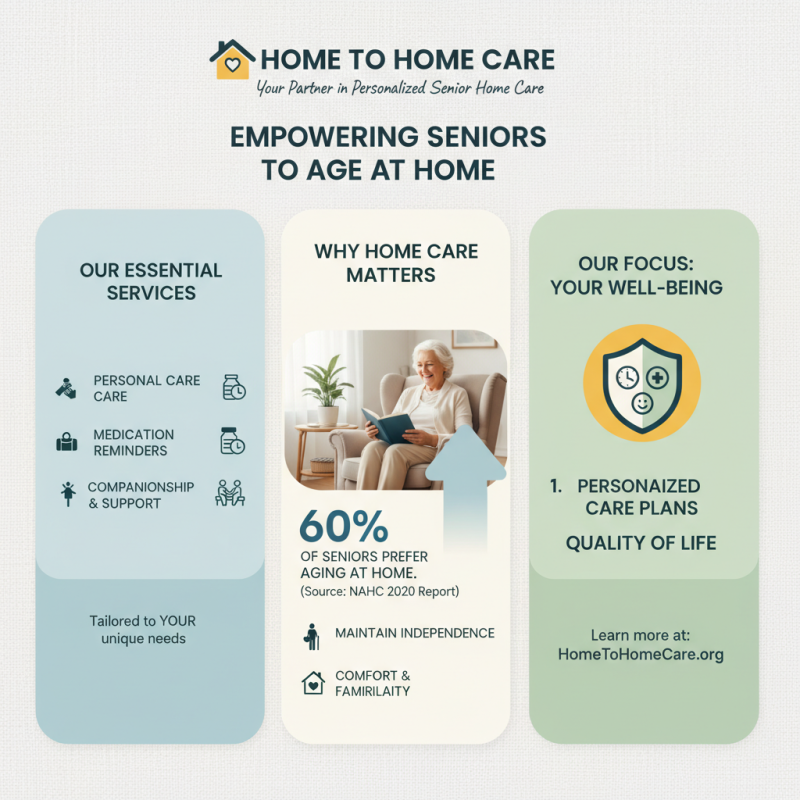
Home to Home Care provides essential services for seniors, focusing on their unique needs. These services help seniors maintain independence while receiving necessary assistance in their own homes. According to a 2020 report from the National Association for Home Care & Hospice, nearly 60% of seniors prefer aging at home rather than in assisted living facilities. This preference highlights the importance of personalized home care services.
Services offered can include personal care, medication management, and companionship. Personal care helps with daily activities like bathing and dressing. Medication reminders ensure seniors take their prescriptions on time. Moreover, companionship combats loneliness, which affects about 40% of seniors. Loneliness can lead to serious health issues, making social interaction a crucial part of home care.
Though many families seek these services, challenges remain. Finding qualified caregivers may be difficult. Not all hired help can meet the emotional needs of seniors. Trust and reliability are vital in this relationship. Families must also navigate potential costs, which can add up rapidly. Balancing these aspects is essential for successful home care experiences.
Understanding the Financial Aspects of Home to Home Care Services
Home to home care services are increasingly important for seniors and their families. Understanding the financial aspects can help families make informed decisions. Costs can vary based on services provided, location, and duration of care. Families often face challenges in budgeting for these services.
Many families underestimate the financial impact of home care. Initial assessments usually incur costs that can be surprising. It is crucial to ask detailed questions during the evaluation process. Some services may not be covered by insurance, which adds to the burden. Families may need to explore alternative payment options, including government assistance programs.
Investing in home care should not be taken lightly. It is important to evaluate not just the costs but the quality of care. A cheaper service might not provide adequate support, leading to more stress. Families should prioritize reliable care over saving a few dollars. Understanding these financial aspects allows families to create a sustainable care plan for their loved ones.
Evaluating the Quality of Care: Industry Standards and Metrics
When evaluating home care for seniors, quality matters greatly. Caregivers play a vital role in ensuring safety and comfort. Industry standards are set to provide guidelines for these caregivers. These standards include regular training, background checks, and client feedback. However, not all providers adhere to them. This inconsistency can lead to varying experiences for families.
Metrics are essential in assessing care quality. These can include client satisfaction surveys and incident reports. Many families rely on these metrics to make informed decisions. Yet, numbers can be misleading. A high satisfaction score might hide underlying issues, like caregiver turnover. Families must dig deeper and ask for detailed reports.
The importance of communication is often overlooked. Families should engage in open dialogues with caregivers. They need to discuss expectations and preferences. This transparency can improve care quality. Overall, while industry standards and metrics exist, they are not foolproof. Families must advocate for their loved ones to ensure the best possible home care experience.
Home Care Benefits for Seniors and Families
This chart illustrates the various benefits of home care services for seniors and their families, highlighting key quality metrics in the industry.
The Role of Family Involvement in Home to Home Care Solutions
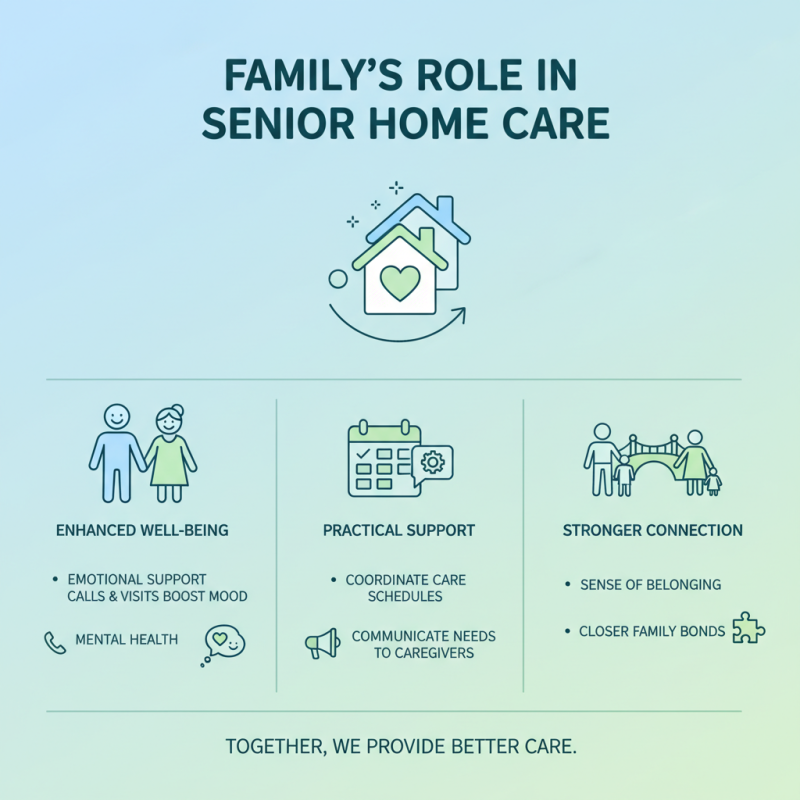
Family involvement is key in home to home care solutions for seniors. When families engage, they provide support that is crucial for the well-being of their loved ones. Simple acts, like visiting or calling, can make a big difference. It fosters a sense of connection, which benefits mental health. Families can also help coordinate care schedules and communicate needs to caregivers.
However, there can be challenges. Not all family members may agree on the best approach. Conflicts can arise from differing opinions on care. Some might feel overwhelmed by responsibilities. It's essential to address these feelings openly. Finding a balance can be tough. Families should communicate regularly to ensure everyone is on the same page.
Emotional support is not just about sharing care tasks. It also means being there during tough times. Listening and understanding can alleviate stress for seniors. Families often need support themselves. Without introspection, they may overlook their own needs. Balancing care and personal well-being is essential for a successful home to home care experience.
Navigating the Challenges of Home to Home Care: Best Practices and Solutions
Navigating the challenges of home to home care is essential for families. Many face logistical issues when moving seniors between locations. This can disrupt routines and lead to confusion. The key is to create a structured plan.
Establishing a comfortable environment in both homes is crucial. Familiar objects, such as photos or favorite blankets, can ease anxiety. Also, consider a trial run before the actual move. This helps seniors adjust slowly. Unexpected challenges may arise, such as resistance from the senior. It's important to acknowledge their feelings and find solutions together.
Finding reliable caregivers is another tough aspect. Some providers lack experience in specific needs like dementia care. Research and references matter. Engage in honest conversations about expectations. The goal is to enhance the quality of life for seniors. Remember, flexibility is vital. Adapting plans when needed can make a significant difference.