What is Long Term Home Care and Its Benefits for Seniors?
Long term home care is becoming an essential service for seniors seeking comfort and support at home. This type of care provides personalized assistance for daily activities, ensuring seniors maintain their independence. With a focus on safety and well-being, caregivers can help with tasks such as bathing, meals, and medication management.
Many families face challenges when deciding on care options. Long term home care offers flexibility that institutional settings may lack. It allows seniors to remain in familiar surroundings, promoting emotional stability. Studies show that staying at home can decrease feelings of isolation and boost happiness.
However, the choice is not always straightforward. Families must weigh factors like costs, caregiver qualifications, and available resources. There may be concerns about the reliability of caregivers and the quality of care. Engaging in thorough research and asking questions can lead to better decisions. Long term home care holds substantial benefits, but reflection and preparation are key for a successful experience.

Understanding Long Term Home Care for Seniors
Long-term home care offers vital assistance to seniors, allowing them to receive personalized support in a familiar environment. According to the National Institute on Aging, nearly 90% of seniors prefer to age in place. By choosing home care, they maintain their independence while accessing necessary services. This model not only enhances their quality of life but also alleviates caregiver stress.
Research shows that older adults receiving home care often experience lower rates of depression and cognitive decline. A 2021 study by AARP highlighted that home care services can reduce hospital readmission rates by up to 25%. Despite these advantages, challenges exist. Not all families can afford comprehensive in-home care, and quality can vary widely among providers. Families must evaluate caregivers and their qualifications thoroughly.
While home care provides essential support, the emotional aspect is equally significant. Many seniors may feel lonely and isolated despite having caregivers. It's essential that these services also focus on companionship and emotional well-being. Addressing these elements is crucial for effective long-term home care.
Key Services Offered in Long Term Home Care
Long-term home care provides vital support for seniors, allowing them to live comfortably at home. Key services include personal care, medication management, and help with daily activities. Caregivers assist with bathing, dressing, and meal preparation, ensuring seniors maintain dignity and independence.
Also, companionship is crucial in long-term home care. Social interaction can alleviate feelings of loneliness. Caregivers can engage seniors in conversations, games, or even simple walks. This improves mental health and overall well-being.
Tip: When selecting a caregiver, check their credentials and experience. It’s essential they understand the unique needs of seniors. Not every caregiver is suited for every individual.
Another critical service is medical support. Nurses can administer medication, manage chronic conditions, and monitor vital signs. Regular check-ups ensure health issues are addressed promptly.
Tip: Involve seniors in discussions about their care plan. Their preferences and feelings are paramount. This can lead to better satisfaction and cooperation in their care journey.
Benefits of Long Term Home Care for Senior Independence
Long term home care offers seniors the chance to live independently while receiving essential support. This approach allows older adults to remain in familiar surroundings. Being at home promotes comfort and emotional well-being. They can enjoy daily routines without major disruptions. Care can include assistance with activities of daily living, medication reminders, and companionship.
One notable benefit of long-term home care is maintaining independence. Seniors can choose when to eat, sleep, and engage in social activities. This sense of control is vital for mental health. Care professionals help with tasks but do not take over their lives. Some families may worry about safety and support. Communication between caregivers and family members can ease those concerns. Creating a care plan that considers the senior's wishes can foster cooperation and trust.
However, home care is not always a perfect solution. Adjustments take time, and some seniors may resist help at first. Caregivers need training and experience to address this challenge. Reflection and flexibility are key for everyone involved. As care needs change, families must be open to evolving solutions. This journey requires patience, empathy, and understanding.
Cost Considerations for Long Term Home Care Services
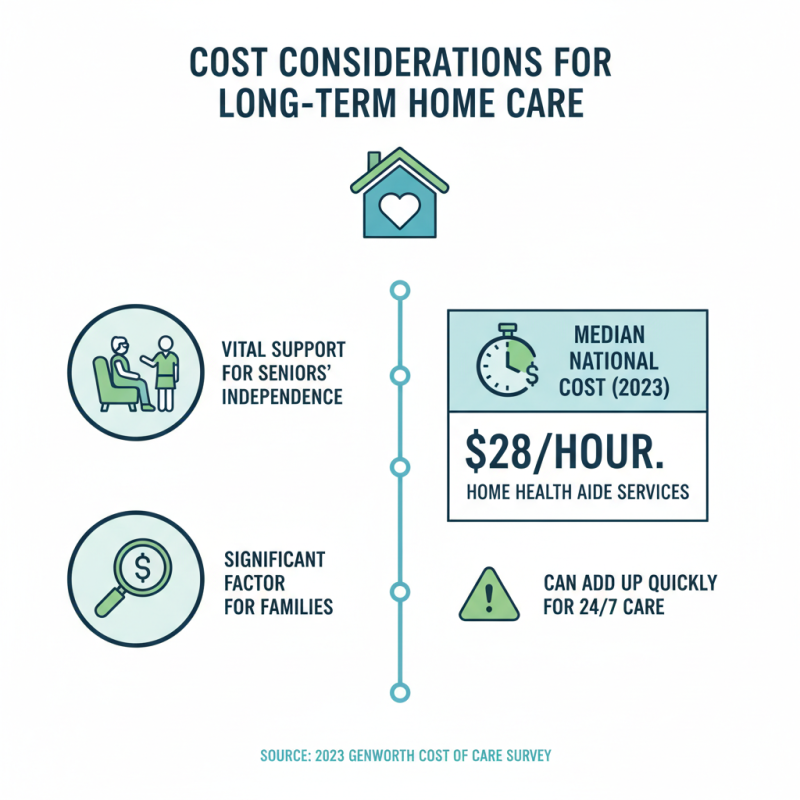
Long-term home care provides vital support for seniors, enabling them to live independently. However, cost considerations are a significant factor for families. According to a 2023 report by the Genworth Cost of Care Survey, the national median cost for home health aide services is about $28 per hour. This can add up quickly for families who require around-the-clock assistance.
Many families may not realize that long-term home care can often be more affordable than nursing home care. The same survey highlights that the average cost of a semi-private room in a nursing home is approximately $8,500 per month. In contrast, a few hours of in-home care weekly may only amount to about $1,500 monthly. This stark difference shows the potential savings when choosing home care options.
Despite the financial advantages, some families face challenges. Insurance coverage often varies widely, leading to confusion. Many private insurances may not cover all aspects of home care. This uncertainty can lead families to question if they are making the right choice. Understanding the full scope of care needs and potential expenses is crucial. Balancing costs with quality care is a complex yet necessary decision for many families.
Choosing the Right Long Term Home Care Provider
Choosing the right long term home care provider is crucial for seniors and their families. Begin by assessing the specific needs of your loved one. Are they dealing with chronic conditions? Do they require assistance with daily activities? Understanding these factors helps narrow down potential providers.
Next, consider the qualifications and experience of caregivers. Look for certifications that demonstrate professional training and knowledge. Ask about their experience with similar cases. A good caregiver should not only be skilled but also compassionate. They should understand the emotional aspects of care. This can make a significant difference in the quality of life for seniors.
It's also important to evaluate the provider's reputation. Read reviews and seek testimonials from other families. This offers insights into their reliability and quality of service. Don't hesitate to ask difficult questions. Transparency is key in building trust. Reflecting on these points can ensure you make the right choice for your loved one’s long term home care.
Benefits of Long Term Home Care for Seniors