What is Nurse to Home Care and How Does It Benefit Patients?
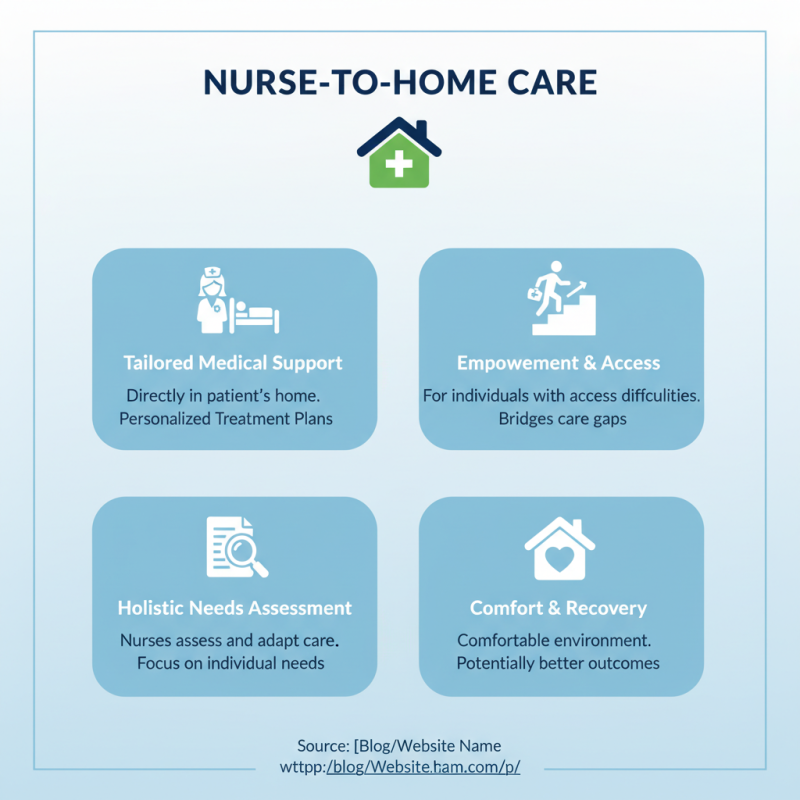
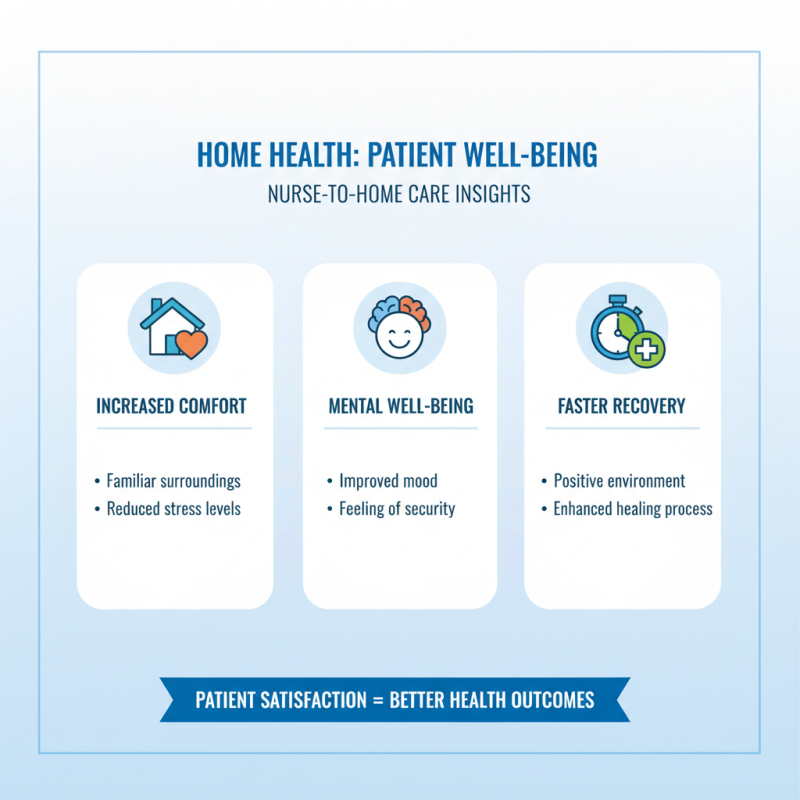
Nurse to home care is transforming patient health management. It brings medical professionals right into the comfort of a patient's home. This approach allows for personalized care tailored to individual needs. Patients receive attention in familiar surroundings, which often leads to improved emotional well-being.
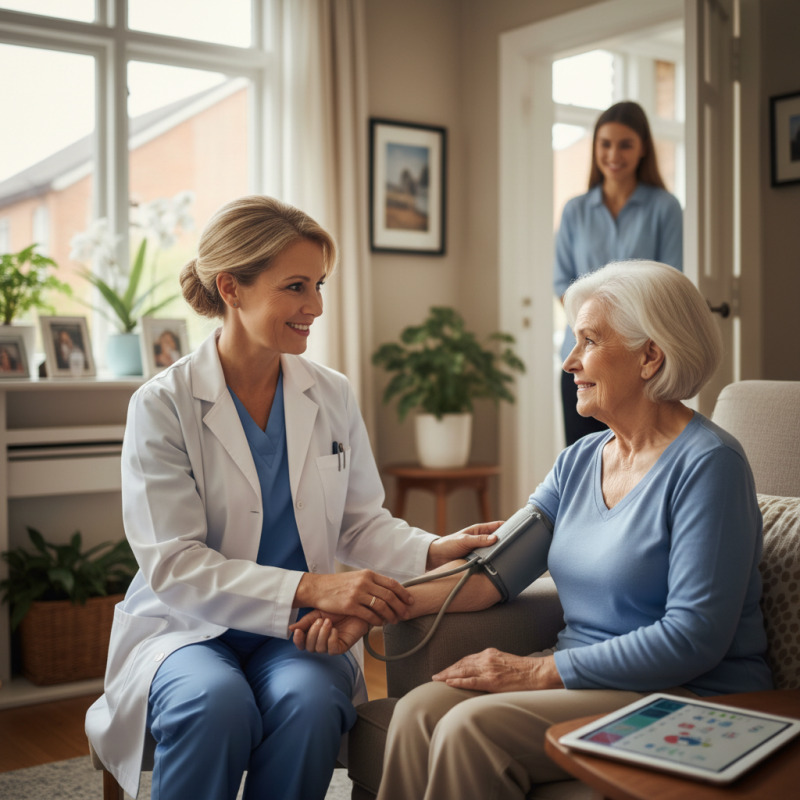
By offering direct support, nurse to home care promotes recovery and encourages independence. Nurses can monitor vital signs and administer medications. They also provide education on managing health conditions. This hands-on approach helps patients feel secure and understood. However, challenges can arise. Some patients may struggle with receiving care at home.
Transitioning from a hospital to home might be daunting. The quality of care may vary based on the nurse's experience. Families need to stay involved, facilitating communication with healthcare providers. Overall, nurse to home care presents a promising alternative, benefiting those who need support while maintaining a degree of autonomy.
What is Nurse to Home Care? Understanding the Concept and Services Offered
Nurse to home care is a growing trend in healthcare. It offers patients personalized medical support at home. This service is ideal for those recovering from surgery or managing chronic conditions. Nurses provide essential care, which may include medication administration and wound care. They often educate patients and families on managing health effectively.
Home care also helps alleviate pressure on hospitals. Patients enjoy the comfort of their own homes while receiving necessary care. This can significantly enhance their recovery experience. However, some might feel isolated or anxious with home care. Adjusting to new routines can be challenging. Not all patients have adequate family support, which is a limitation.
The services provided by nurses at home can be extensive. They can monitor vital signs regularly. Some patients may need help with mobility and daily activities. A key aspect is communication with the wider healthcare team. Misunderstandings can lead to gaps in care. This space for improvement highlights the need for clear, ongoing communication. Understanding the limitations and potential struggles is vital for effective home care.
What is Nurse to Home Care and How Does It Benefit Patients?
| Service Offered |
Description |
Benefits to Patients |
Frequency of Service |
| Medication Management |
Assistance with taking medications on time and understanding prescriptions. |
Improves adherence to medication regimens, ensuring better health outcomes. |
Daily or Weekly |
| Wound Care |
Professional treatment of wounds to ensure proper healing. |
Reduces the risk of infection and promotes faster healing. |
As Needed |
| Physical Therapy |
Rehabilitation services to regain mobility and strength. |
Enhances recovery time and improves overall physical function. |
Multiple Times a Week |
| Nutritional Support |
Guidance on dietary choices to support health conditions. |
Promotes better nutritional habits leading to improved health and recovery. |
Weekly |
| Emotional Support |
Counseling services to help cope with health challenges. |
Improves mental health and overall well-being. |
As Needed |
Key Differences Between Nurse to Home Care and Traditional Care Settings
Nurse to Home Care differs significantly from traditional care settings. In a home care scenario, nurses provide one-on-one attention. This personalized approach allows for tailored medical interventions. It often leads to better patient engagement. In contrast, traditional settings can feel impersonal. There, patients are typically one of many. This can hinder communication and personalized care.
Home care can be more comfortable for patients. They remain in familiar surroundings. However, not every home is set up for medical care. Limited space can affect care delivery. Equipment may not always be readily available. In these cases, traditional settings might be better. Hospitals are equipped with advanced technology and resources.
Moreover, the nurse-patient relationship is crucial. In home care, trust can develop more naturally. However, challenges arise. Nurses often juggle multiple cases, leading to time constraints. Rushed visits can affect the quality of care. Traditional care settings might offer more support staff but can lack the warmth of home. Each setting has its strengths and weaknesses, impacting patient experiences.
Nurse to Home Care vs Traditional Care Settings
This chart illustrates the key differences between Nurse to Home Care and Traditional Care Settings based on five important dimensions: Patient Satisfaction, Cost Effectiveness, Personalized Care, Availability of Services, and Health Outcomes. The data indicates that Nurse to Home Care generally provides better outcomes in these areas compared to Traditional Care Settings.
Statistical Insights: Cost Savings and Efficiency in Home Care Services
Home care services offer significant cost savings and efficiency for patients. A recent report indicates that transitioning to home care can reduce hospital readmissions by 40%. This is crucial, as every avoided readmission saves healthcare systems an average of $15,000 per patient. Such financial incentives highlight the growing preference for care in the home setting.
Efficiency in home care extends beyond cost. Studies show that patients receiving home care services report higher satisfaction levels. In fact, 85% of patients prefer home care to institutionalized care. This preference leads to better compliance with treatment plans. However, not all home care setups guarantee quality. Variations in caregiver training can impact patient outcomes. Ensuring consistency in caregiver education is essential to maximize benefits.
The financial implications are significant. The National Association for Home Care & Hospice states that home care services are 40% cheaper than nursing homes. Despite this, some families hesitate to embrace home care fully. Concerns about caregiver reliability and patient safety linger. Addressing these issues could unlock the true potential of home care in today’s healthcare landscape.